
CO 16 Denial Code: Claim/Service Lacks Information Needed for Adjudication
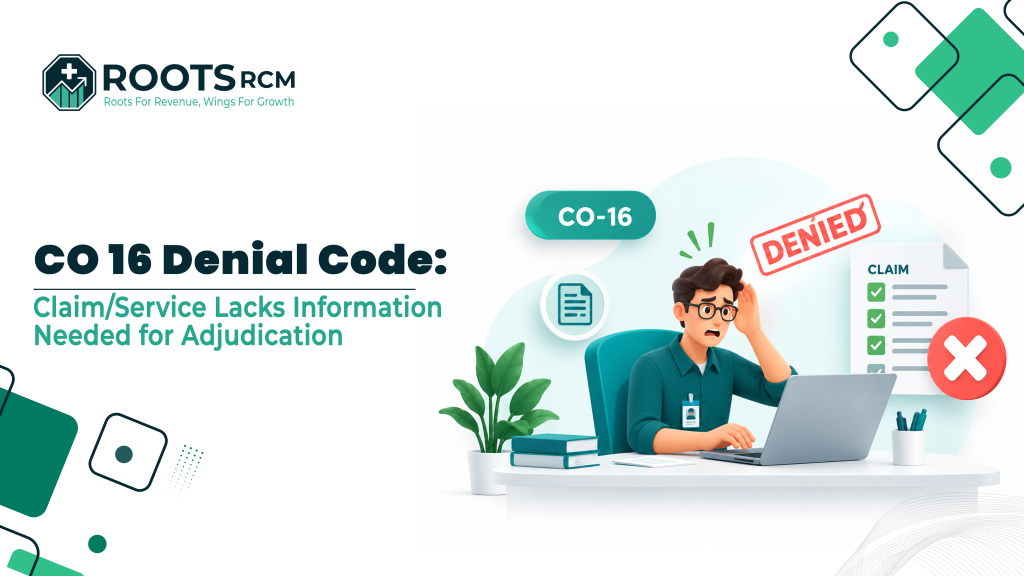
Home / CO 16 Denial Code: Claim/Service Lacks Information Needed for Adjudication What Is CO 16 Denial Code? CARC 16 means the payer determined that the claim is missing information, or contains submitted information that does not support the need for the service, and cannot be processed as submitted. In simple terms, the payer is […]
CO-8 Denial Code: Procedure Code Inconsistent With Provider Type or Specialty

Home / CO 8 Denial Code: Procedure Code Inconsistent With Provider Type or Specialty CARC 8 means the payer determined that the procedure code is inconsistent with the provider type or specialty (taxonomy) reported on the claim. In simple terms, the payer is saying: “The service billed does not match the provider type or specialty […]
CO-7 Denial Code: Procedure Code Is Inconsistent With the Patient’s Gender

Home / CO-7 Denial Code: Procedure Code Is Inconsistent With the Patient’s Gender What Is CO-7 Denial Code? CO-7 means the procedure code is inconsistent with the patient’s gender. In simple terms, the payer’s system believes that the procedure reported on the claim does not match the patient’s gender information. X12 defines CARC 7 as […]
Coordination of Benefits (COB) in Medical Billing

Home / Coordination of Benefits (COB) in Medical Billing (The Complete Guide to Payer Responsibility, Claims, Secondary Billing & Revenue Recovery) Coordination of Benefits (COB) is one of the most important and frequently misunderstood components of the U.S. medical billing revenue cycle. When a patient has two or more insurance coverages, simply identifying the insurance […]
CO-6 Denial Code: Procedure Code Is Inconsistent With the Patient’s Age

Home / CO-6 Denial Code: Procedure Code Is Inconsistent With the Patient’s Age What Is CO-6 Denial Code? CO-6 Denial means the procedure code is inconsistent with the patient’s age. In simple terms, the payer believes that the procedure reported on the claim does not match the patient’s age. A CO-6 Denial does not necessarily […]
CO-5 Denial Code: Procedure Code Is Inconsistent With the Place of Service
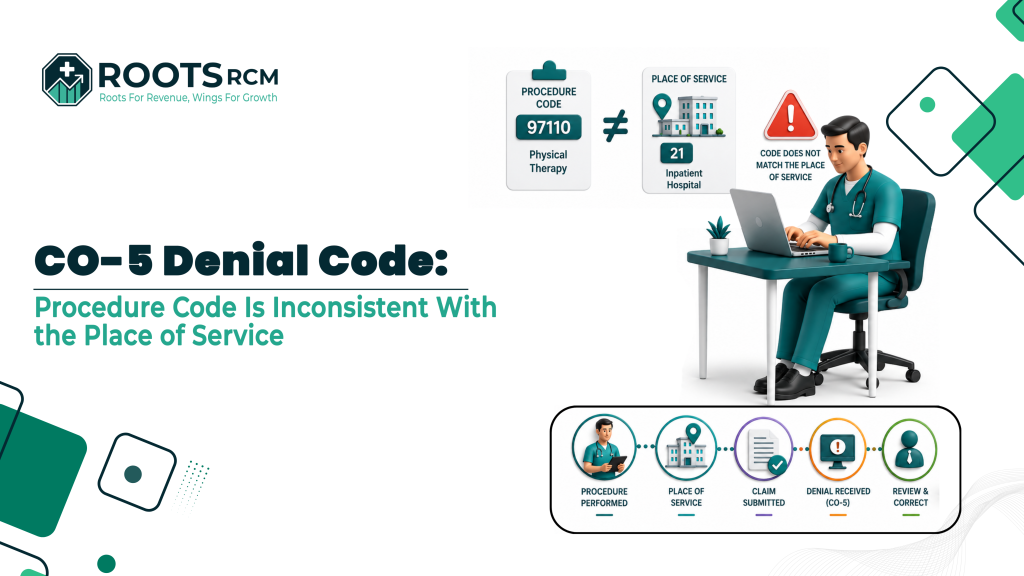
Home / CO-5 Denial Code: Procedure Code Is Inconsistent With the Place of Service What Is CO-5 Denial Code? CO-5 Denial means the procedure code is inconsistent with the place of service. In simple terms, the payer believes that the procedure reported on the claim does not match the location where the service was performed. […]
CO-4 Denial Code: Procedure Code Is Inconsistent With the Modifier Used
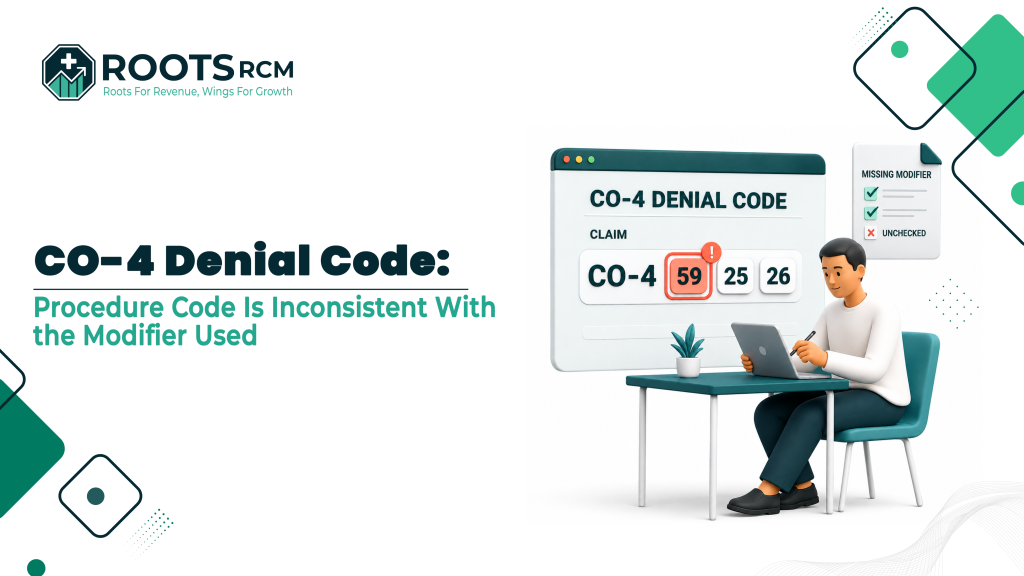
Home / CO-4 Denial Code: Procedure Code Is Inconsistent With the Modifier Used What Is CO-4 Denial Code? CO-4 Denial means the procedure code is inconsistent with the modifier used. In simple terms, the payer believes that the CPT or HCPCS procedure code and the modifier reported with it do not work together correctly. A […]
CO-31 Denial Code: Meaning, Causes, How to Fix and Prevent It.

Home / CO-31 Denial Code: Meaning, Causes, How to Fix and Prevent It. What Is CO-31 Denial Code? CO-31 means “Patient cannot be identified as our insured.” It is a Claim Adjustment Reason Code (CARC) used by payers to explain why a claim was not paid as submitted. The current X12 code list defines CARC […]
The Hidden Economics of Running a Modern Medical Practice

Home / The Hidden Economics of Running a Modern Medical Practice Why Patient Volume, Revenue, and Profitability Are Three Very Different Things Executive Summary A medical practice can be busy, respected, clinically excellent and financially unhealthy. That may sound contradictory. But it is one of the most important realities of modern healthcare. A physician can […]
Why Prior Authorization Has Become a Clinical, Financial, Operational, and Patient Experience Challenge

Home / The Hidden Cost of Delayed Care and Delayed Revenue Why Prior Authorization Has Become a Clinical, Financial, Operational, and Patient Experience Challenge Prior authorization was originally designed as a utilization management mechanism. The basic idea was straightforward that before certain healthcare services were provided, insurers would review whether the requested service met defined […]